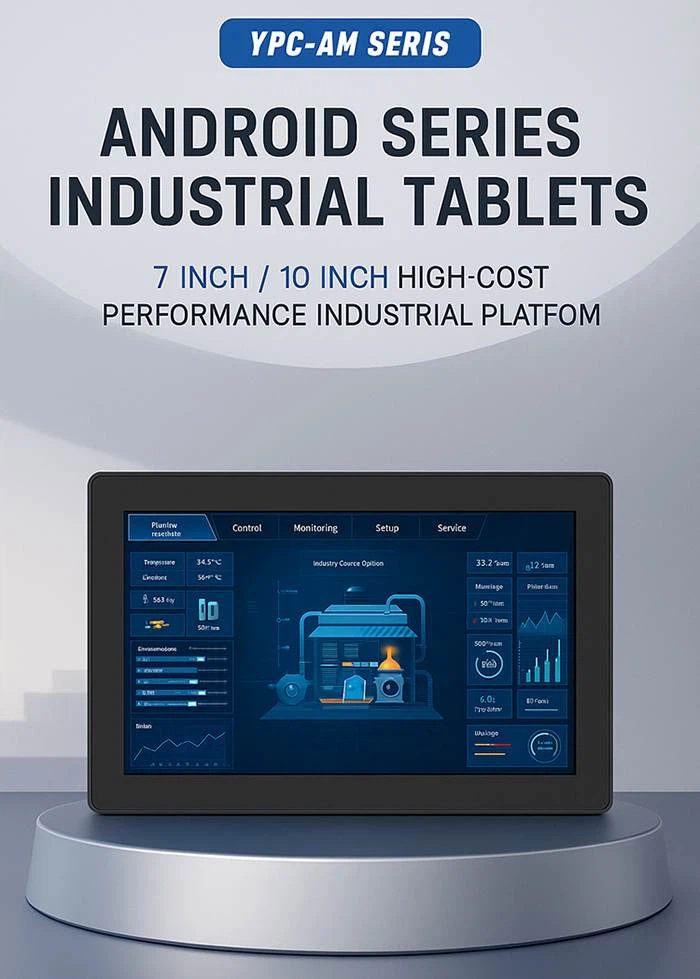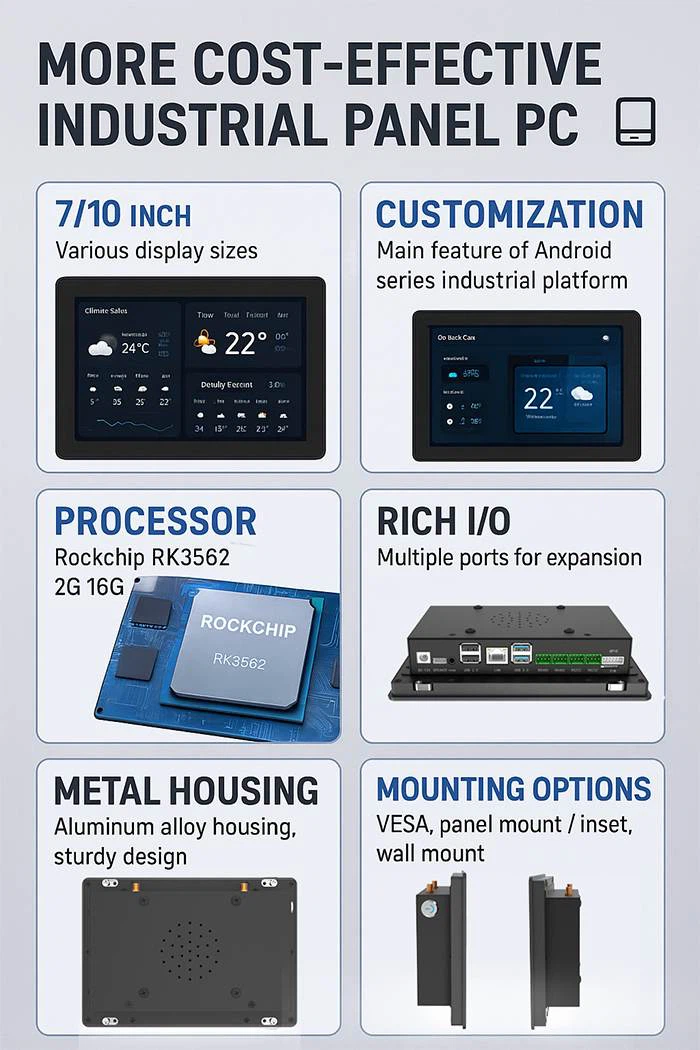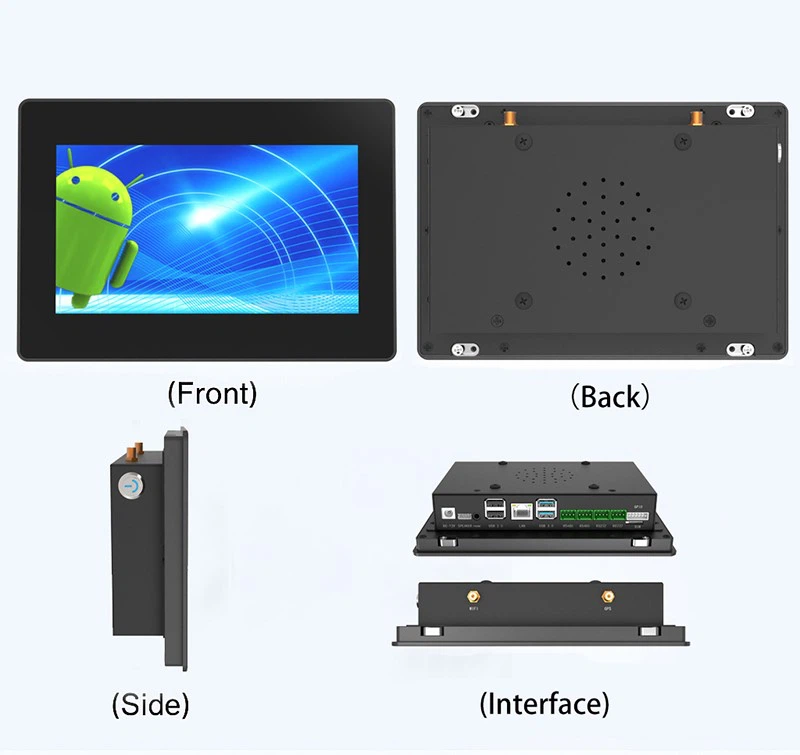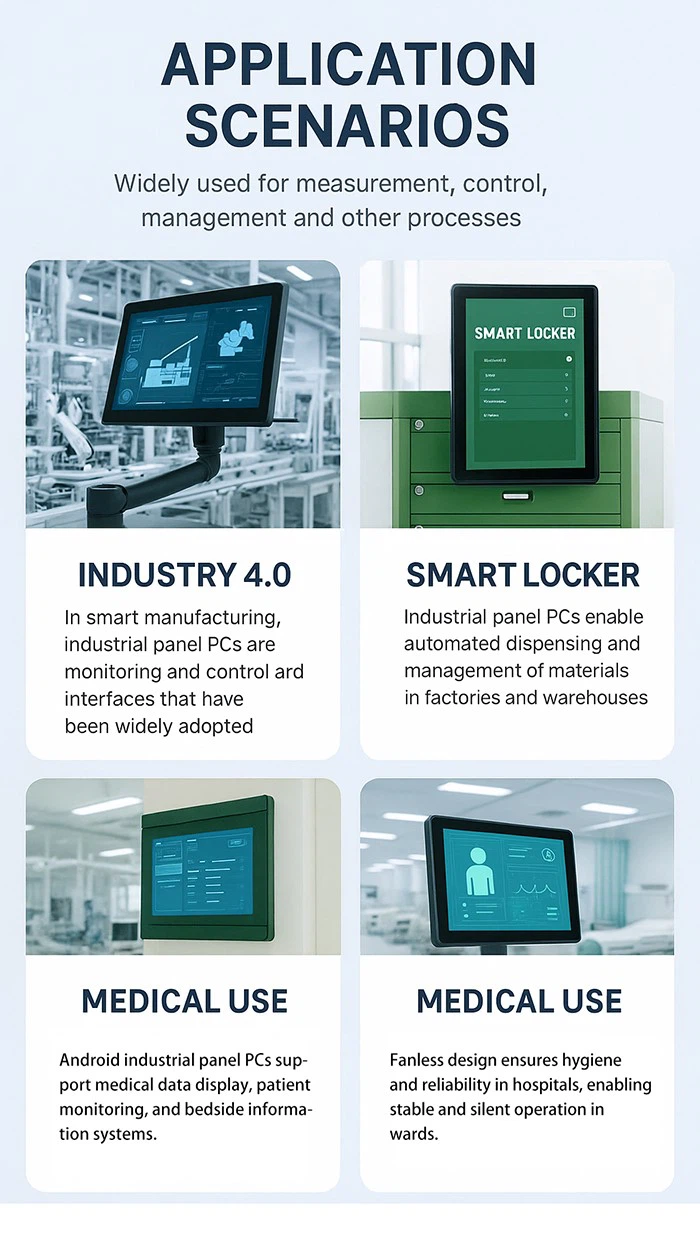
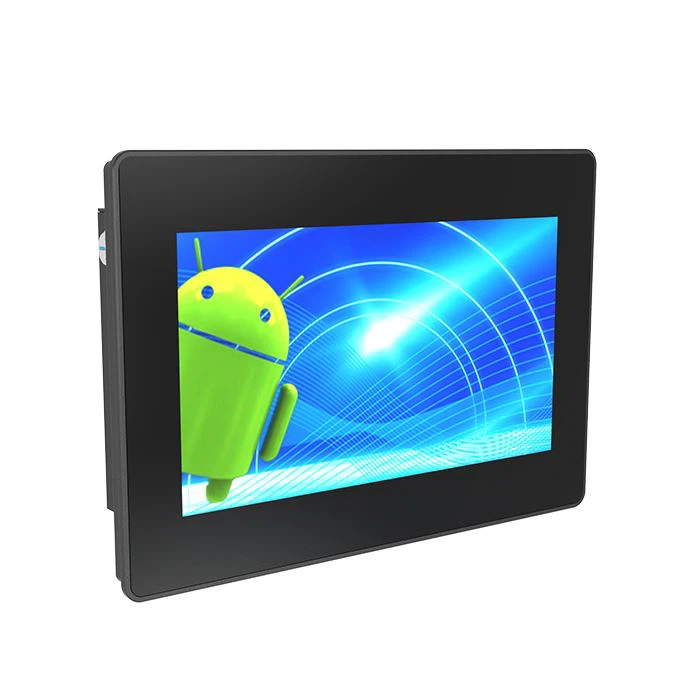
This industry-panel-pc is frequently implemented across sectors such as logistics, smart vending, and digital signage. Its rugged construction and Android-based architecture ensure long-term stability in challenging environments. Unlike a traditional panel PC Windows 11 system, this Android solution offers simplified operation with fewer hardware demands. Whether deployed in a warehouse or integrated into an automated retail terminal, the industrial fanless panel PC delivers reliable performance, low maintenance, and efficient thermal management-ideal for continuous operation in space-constrained or ventilation-limited installations.
Product Introduction
This Android industrial panel PC is tailored for applications requiring both reliability and streamlined deployment. It benefits from Android’s fast boot times, light memory footprint, and developer-friendly ecosystem. Its durable construction, combined with a compact design, makes it well-suited for embedded use in environments like smart retail, automated control systems, and logistics platforms. Support for OTA updates and remote device management enables centralized maintenance, significantly reducing the total cost of ownership over time.
Designed for versatility and performance, Android panel PCs offer unmatched value in industrial settings. Their use spans smart vending, digital displays, and unattended service machines, where responsive touch and wireless communication are essential. Lightweight and easy to integrate, these systems support OTA upgrades and cloud-based management. In warehouse logistics, they assist with automated sorting and inventory updates, while in smart agriculture and energy grids, they provide efficient, real-time data processing at the edge-helping businesses build more responsive, connected infrastructures.